
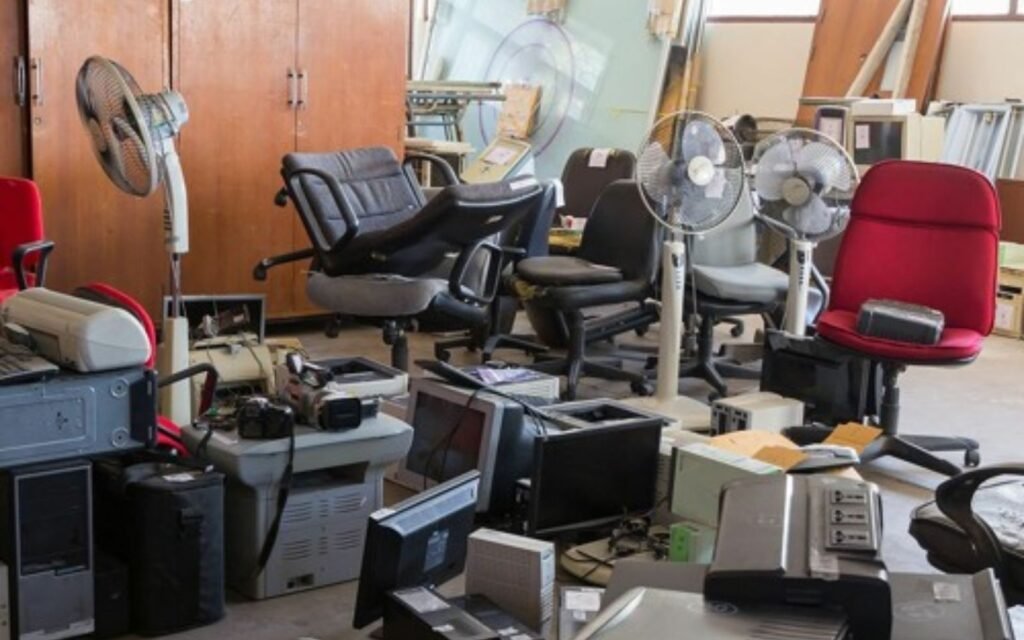
By 2026, hauling trash will not be just about muscle because machines will run the show. Picture this: clearing out an entire house, redoing office spaces, or cleaning up after builders finish faster than before. Instead of pushing carts and lifting every item by hand, crews now roll in with gear like compact tractors and agile loaders. These machines cut down work time sharply, turning weeklong jobs into quick turnarounds. Because of smarter equipment use, people pay less while getting more done without breaking backs or budgets. This mechanical shift ensures that project timelines remain predictable even when dealing with massive volumes of debris.
The Strength of Simple Machines Working Well
A single trip with heavy machinery shifts loads that are impossible by hand. Moving fast, a common skid steer, often called a Bobcat, hauls piles of waste far quicker than any team on foot. Clearing thick slabs of concrete, worn-out boards, or dense earth is where tractors or compact loaders prove their strength. Their power turns long jobs into short ones. This efficiency allows local junk removal services to scale their operations to handle both residential and industrial waste simultaneously. Tired bodies slow things down. When wages climb, saving time means lighter bills for customers. A skid steer runs with just one person handling what once took five workers, clearing basements or messy yards. Fewer people on site cuts costs fast. Faster work meets deadlines early. Prices drop without cutting corners. The machine moves steadily while humans rest. This steady pace prevents the mid afternoon slowdown that often plagues manual labor crews.
Versatility With Specialized Tools
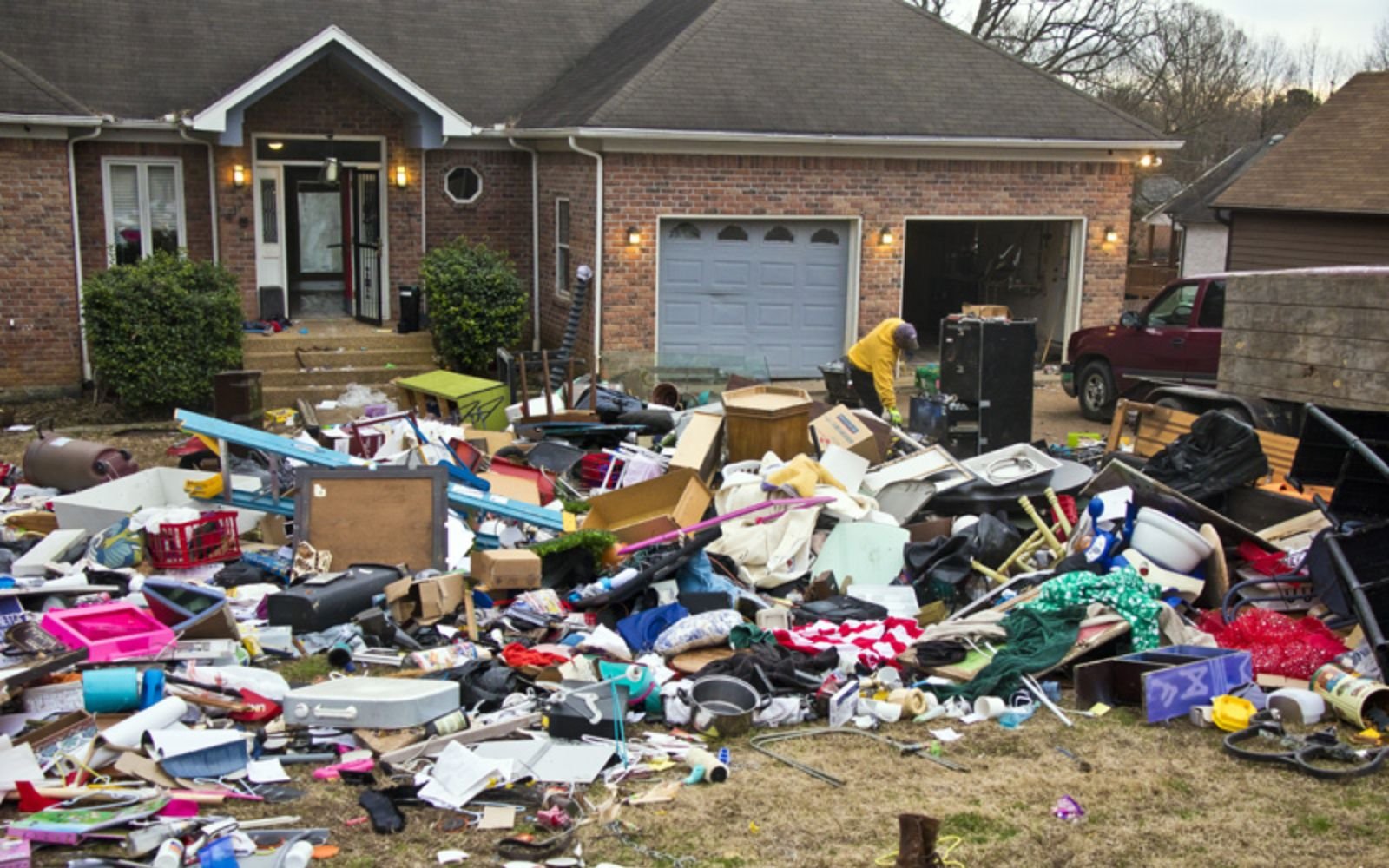
Besides being compact, these machines adapt fast when tasks shift. A loader bucket one minute becomes a grapple the next with no long waits. Their strength shows not just in power but in how smoothly they change roles. With each new job step, the same unit keeps working instead of waiting for another to arrive. Switching tools on site cuts down clutter and saves space where the room is tight. Modern quick attack systems mean that transitions happen in seconds. Starting with grapples, these tools handle messy piles such as broken branches, worn out sofas, or twisted steel. Clamped shut by hydraulic arms, loads stay put while heading toward disposal zones. Moving heavier things? Forks built for skid steers shift refrigerators or stacked supplies without strain. When wrecking jobs show up like cracked slabs, a pounding hammer bit makes quick work of tough surfaces. After the big stuff falls apart, brooms and rakes comb through what remains, smoothing out the ground until it is tidy again.
Whatever shows up on location, the equipment adjusts just fine. Machines shift easily, so there is no need to rent several different tools. Workers avoid extra chores like sorting debris by hand. Each job gets the exact tool it needs. That keeps things moving without long pauses. Efficiency climbs when the match between task and gear is spot on. Costs stay low since nothing goes to waste. The process flows better with fewer interruptions. Right tool, right moment, everything lines up smoothly.
Navigating Tight Spaces and Complex Terrain
Folks often think big machines belong only on sprawling job sites. Yet today’s compact skid steers are built to move quickly. Because they pivot right where they stand, squeezing through slim paths comes naturally. Backyard jobs, cramped alleys, or vast indoor storage are not trouble at all. These machines are engineered to operate in environments where traditional dump trucks cannot fit. Out on rough terrain, tractors with front loaders handle farm waste just as well as any dedicated hauler. Mud, slopes, or thick weeds none of these slow it down like they do regular trucks. Instead of dragging debris across land, workers move the loader right to where it lies. Less back and forth means less time wasted walking empty. That pace keeps budgets under control while hitting targets without delay. It also prevents the ground from being unnecessarily torn up by repeated foot traffic.
Safety and Risk Mitigation
Heavy lifting by hand often leads to sore muscles and harm at work. Moving bulky sofas or grabbing broken materials with jagged edges can result in slipped discs or stumbling accidents. With equipment taking on the toughest loads, people face far fewer dangers on site. Protective cages and reinforced cabs provide operators with a safe environment far removed from falling debris. Fewer accidents mean cheaper insurance plus smoother schedules. Peace of mind comes easier when you own the building. Machines handle danger because thick metal and strong hydraulics take the strain instead of people. Saving money hides where some least expect: keeping workers safe also keeps budgets intact and timelines tight. Risk control is cash preserved. A safer job site also means fewer legal liabilities for the property owner.
Environmental Effects and Improved Sorting
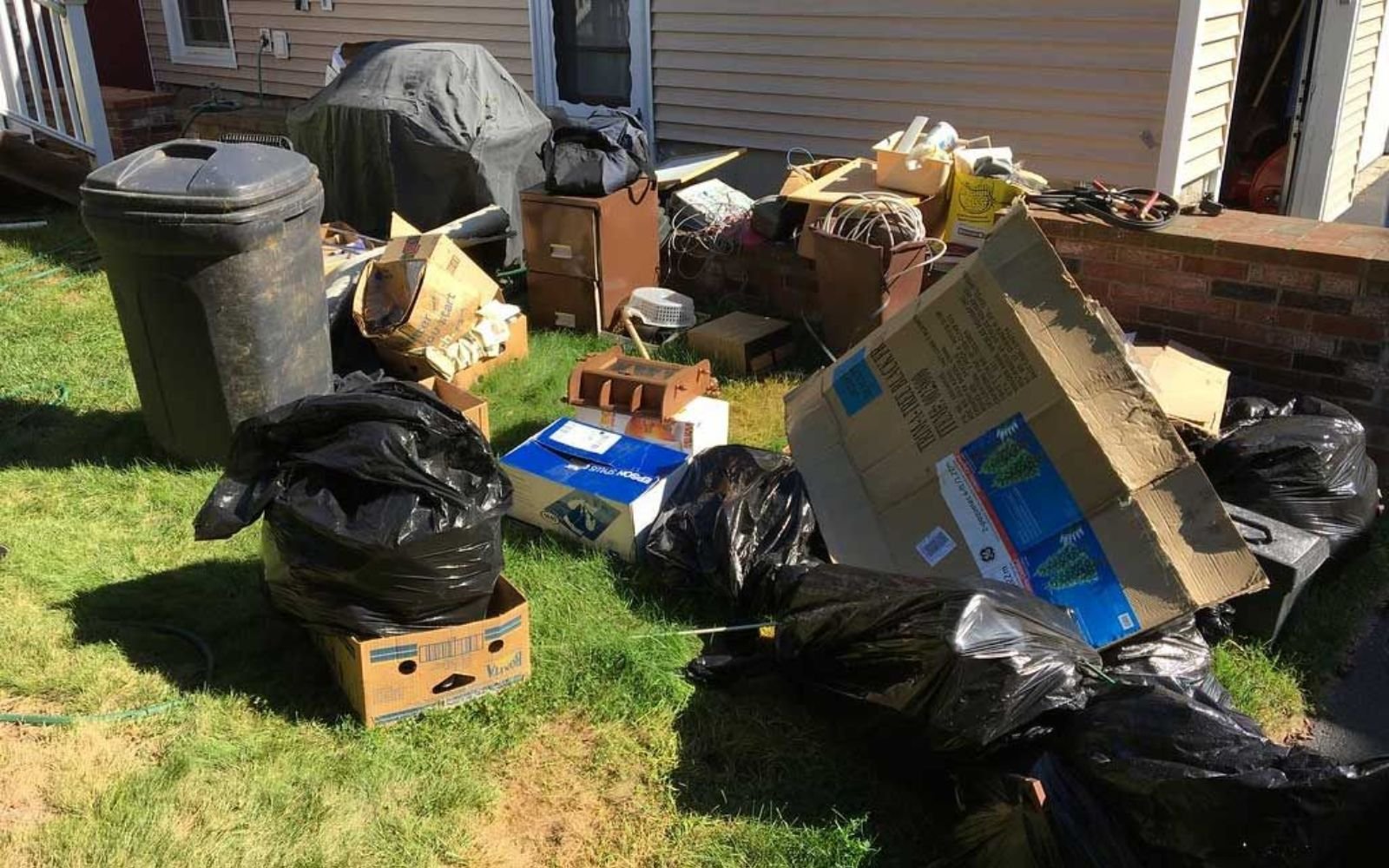
Waste handling gains ground through smarter methods. With big machines at hand, sorting happens right where the work unfolds. Picture a skid steer guiding scraps with metal here, wood there, and bricks stacked apart. By 2026, keeping materials pure pays off when drop off comes due. Cleaner batches mean less cost per ton at most disposal spots. This precision helps divert more material from landfills into recycling streams. Sorting trash right after pulling it out using grabs or buckets keeps costs down by skipping pricey mixed waste charges at dumps. Tractors chew up plant scraps where they lie, shrinking what must get carted off later. Less hauling means lower fuel bills and fewer trips. Hand scooping into sacks just cannot match this kind of accuracy ever. This methodology turns potential waste into reusable resources right on site.
Making the Final Decision
A mountain of clutter might make the low hourly bid look best. Yet slow hand crews tend to drain more cash compared to teams using machines. Machines such as tractors or skid steers point ahead, bringing quickness and flexibility hands alone cannot reach. Investing in mechanical removal is an investment in both speed and overall project quality. Starting a big cleanup? Check whether your crew brings machines. Because once gear rolls in, time saved on manpower pays back that setup cost fast. Finish sooner, spend less, and leave the place spotless. Mechanical junk removal is the most reliable way to handle modern waste management while staying profitable and efficient.